Infrastructure
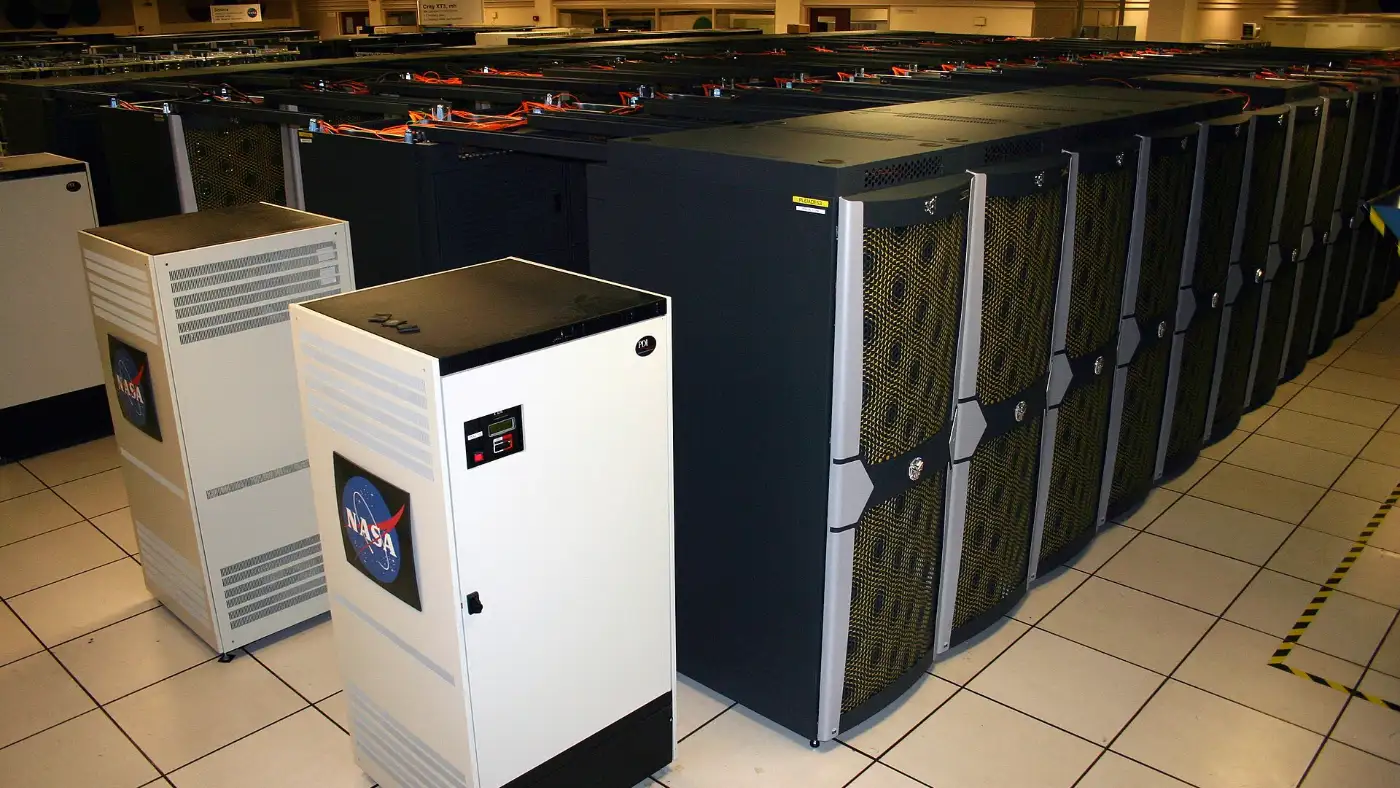
Laurenceo Intelligence tracks the physical foundation of AI: data centre construction and finance, compute capacity, power and grid constraints, chips and supply chains, cloud concentration and the networks that connect it all. Infrastructure decides who can deploy AI at scale, at what cost and with what exposure.
- 118 developments
- 18 organisations
- 18 live forecasts
- Updated 27 November 2026
- Tracked since 27 September 2026
Export controls are now setting the price of AI infrastructure capital
Export rules, lender caution and supply limits are reshaping where AI capacity gets built and financed, and Washington's reach now extends into credit markets and compute rental 314.
The Picture Now
Regulation has moved from the chips to the buildings and the balance sheets that hold them. Commerce now requires a licence for any data centre serving China-headquartered customers above the TPP threshold 14, and Fitch expects Asia-Pacific data-centre investment to slow and become more selective 2. Lenders have paused billions of dollars in loans tied to ByteDance, Alibaba and Tencent 3.
Capital is still flowing toward capacity, but on new terms. Nvidia guided fourth-quarter revenue to $130.0bn on an outlook that assumes no Data Center compute revenue from China 13. Blackstone's trust is buying 75% of two AWS ventures for about $5bn at a 7.0% initial capitalisation rate 16, while Apollo's chief executive says AI financing demand could reach $8tn 8.
What Changed Recently
The sharpest shift came from enforcement and licensing. Commerce added Megaspeed and six other entities in Malaysia, Singapore and Thailand to the Entity List, and the Justice Department now leads a criminal investigation 4. TSMC and Samsung halted some chip shipments to Chinese customers once the new rules took effect on 19 November 11. House committee papers showed approvals of 879,868 Nvidia and AMD AI chips for Defense Department-designated Chinese military companies 12.
Political and supervisory attention rose in parallel. The FCC conditionally approved SpaceX's plan for up to 1 million orbital AI data centre satellites, but has not yet approved its debris plans above 600 kilometres 1. Trump vowed a "tremendous tax" on US firms building data centres abroad, without giving a rate or mechanism 7. The ECB supervisor said euro zone bank exposure to data centres is small but growing fast and needs heightened attention 9.
What It Means
For operators, compliance is becoming a credit variable. Fitch warns that projects with uncertain chip supply or customer eligibility will face tighter financing 2, and existing China-linked arrangements have 90 days to obtain licences under the Commerce rule 14. Operators should map every China-linked tenant now, because financing terms are already following that mapping 3.
For insurers and reinsurers, the exposure sits closer to home. Athene's life reinsurance operation in Bermuda is part of the funding chain Apollo describes, and Rowan has already flagged neoclouds as a rising risk 8. Bermuda reinsurers should test their private-credit books for data-centre and neocloud borrowers before supervisors ask for that data 89.
What to Watch
- Whether the Justice Department's criminal investigation into the Megaspeed case produces charges, which would confirm that enforcement now reaches beyond listing 4.
- Whether the Chip Security Act moves forward once Senator Warren takes over the Banking Committee in January, since that committee approves export control legislation 6.
- Whether Nvidia delivers fourth-quarter revenue close to its $130.0bn guide without China compute sales, and whether the US licensing posture shifts in the meantime 13.
Numbered links open the sourced story behind each point.
Lead Development
27 November 2026FCC conditionally approves SpaceX plan for up to 1 million orbital AI data centre satellites
The FCC authorised SpaceX to put 1 million AI computing satellites in orbit, Chairman Brendan Carr announced on Wednesday. The approval is conditional and was granted despite objections from Amazon, Viasat and the American Astronomical Society over orbital debris, congestion, radio interference and environmental effects. The FCC has not yet approved SpaceX's debris plans for satellites operating above 600 kilometres.
Why it matters. A US regulator has now accepted orbital compute as a legitimate category of AI infrastructure, which puts land, power and permitting constraints on terrestrial data centres into a new competitive frame. Terrestrial data-centre developers, satellite rivals and space-sustainability bodies are exposed, and the unresolved debris approval above 600 kilometres is the gating item to watch before any capacity is credible.
This Week
- 27 November 2026Fitch says US chip curbs will slow and narrow Asia-Pacific data-centre investmentExport-control eligibility is becoming a credit variable that separates asset-owning data-centre operators from leveraged compute resellers. Regional operators, neoclouds and the banks financing them should map...
- 26 November 2026Lenders stall billions in Asia data centre loans tied to ByteDance, Alibaba and Tencent after US chip curbsExport controls now act through credit markets: AI infrastructure debt tied to Chinese tenants carries legal-risk pricing as well as supply risk, and secondary liquidity for that paper has weakened. Bank lenders...
- 25 November 2026Commerce adds Megaspeed and six other entities to Entity List over AI chip diversion riskExport controls on advanced computing are moving from policy statements to named counterparties in Southeast Asia, and data-centre operators, resellers and chip buyers in the region now face tighter counterparty...
- 24 November 2026Nvidia board reinstates Jensen Huang as CEO after input from senior US government levelsThe leadership gap at the dominant AI chip supplier is closed, but the reversal shows that Washington's views now shape who runs a critical technology company. Customers, cloud providers and investors planning around...
- 24 November 2026Cotton urges passage of Chip Security Act and Warren demands Nvidia export-compliance answersCriticism from both a Republican intelligence chair and an incoming Democratic banking chair makes chip-tracking and anti-diversion rules a realistic legislative track in 2027. Chipmakers, server vendors, distributors...
- 22 November 2026Trump vows 'tremendous tax' on US firms building data centres abroad, with no rate or legal mechanismOverseas capacity plans now carry political risk that cannot be priced until the administration defines the threat. US cloud and AI companies with multi-billion-dollar commitments abroad, and the host governments...
- 22 November 2026Apollo CEO says insurance capital will power an AI buildout needing up to $8tn; Athene has a Bermuda life reinsurance operationBermuda's life reinsurers and annuity-backed balance sheets are becoming a primary funding channel for AI infrastructure, which concentrates both yield opportunity and credit risk on the island. Reinsurers and their...
- 22 November 2026ECB supervisor: euro zone bank exposure to data centres is small but growing fast and needs heightened attentionA prudential supervisor naming data-centre lending signals that capital, concentration and valuation questions for AI infrastructure credit are moving into formal supervisory work. The 12 materially exposed banks, and...
- 21 November 2026Harvard study estimates US hyperscale data centres used 68 to 99 TWh of electricityFacility-level estimates that compare data centre demand with whole-state consumption give utilities, regulators and local opponents a concrete reference for grid planning and permitting disputes. Hyperscalers and AI...
- 20 November 2026TSMC and Samsung halt some China chip shipments as new US export rules take effectThe compliance burden has moved onto foundries and packaging houses, so supply chains reaching well beyond AI accelerators face interruption. Chip designers, device makers and any buyer sourcing advanced-node chips for...
- 20 November 2026House committee papers show US approved 879,868 Nvidia and AMD AI chips for Chinese military-linked firmsLicence-level disclosure at this scale will intensify congressional pressure on the Commerce approval process and adds uncertainty for chipmakers whose China revenue depends on case-by-case licences. Nvidia, AMD and...
Earlier Coverage
- 18 November 2026Nvidia posts $115.8bn quarter, guides $130bn, and says it has stopped shipping Hopper chips to ChinaThe largest AI infrastructure supplier is now planning growth without China, which means non-Chinese buyers compete for supply that is still expanding fast. Cloud providers, enterprises and sovereign buyers should lock...
- 17 November 2026US Commerce issues rule curbing China's remote access to advanced AI chips via overseas data centresCompute rental is now a regulated export channel, so cloud and data-centre operators anywhere in the world that serve China-headquartered customers carry licensing and customer-due-diligence obligations. Operators...
- 17 November 2026OpenAI signs Apollo Research, METR, Transluce and Goodfire for embedded safety assessmentsSustained outside access with disclosed funding terms creates a template that regulators and enterprise procurement teams can cite when they ask what credible third-party assurance of a frontier model looks like. Other...
- 17 November 2026Blackstone Digital Infrastructure Trust buys 75% of two AWS data centre ventures for about $5bnHyperscalers are turning to institutional capital to fund AI capacity, selling majority stakes in leased-back shells to keep expansion off their own balance sheets. Infrastructure investors, insurers and pension funds...
- 16 November 2026Italy's data protection authority fines Meta €805m over Facebook access to Android users' photo galleriesNational regulators in the EU can enforce consent and transparency rules against multinationals even when the company points to its lead authority in Ireland, which weakens the one-stop-shop as a shield. Any firm...
- 16 November 2026ReNew announces 1 GW green hyperscale data centre in Andhra Pradesh within INR 80,000 crore planPairing gigawatt-scale compute with dedicated renewable supply shows that power access is becoming the main constraint and differentiator for AI infrastructure outside the US. Hyperscalers, colocation operators and...
- 15 November 2026China warns US against new chip curbs as Speaker Johnson cites growing consensus on tighter controlsChip export policy is moving from executive discretion towards congressional mandate, and Beijing has now put a public marker down against it. Semiconductor suppliers, cloud and data centre operators and any business...
- 15 November 2026Bessent says publicly that Treasury and other agencies backed Entity List action on MegaspeedA cabinet member publicly pointing at Commerce over a named diversion case raises the likelihood of formal enforcement and of tougher customer-vetting expectations. AI chip suppliers, resellers and data centre...
- 15 November 2026Europol's latest Operation Endgame seizes 235 servers behind Gootloader, CastleRAT and StealCLoaders, remote access trojans and infostealers feed the ransomware chain, so 6.4 million recovered victim datasets are a live exposure list for any organisation with staff or sites in the affected population. Security...
- 14 November 2026Bermuda Government warned of email disruption as Microsoft traces global 365 outage to fault from earlier network capacity upgradeBermuda's Government and its regulated firms now have a live example of a single supplier's internal change halting mail, collaboration and security tooling at once, which makes a continuity plan that does not assume...
- 14 November 2026PwC Bermuda summit in Hamilton: re/insurance CEOs weigh AI and data-centre systemic riskBermuda's re/insurers are framing AI concentration and data-centre exposure as a portfolio-level risk, which will feed into underwriting appetite, accumulation modelling and capital discussions. Carriers with heavy...
- 13 November 2026Bermuda Government warns of email disruption as Microsoft 365 outage hits Outlook, Exchange Online and Teams worldwideBermuda's government and the island's Microsoft 365 dependent businesses were exposed to a failure they could not influence, which makes continuity planning for email and collaboration a board-level item. Insurers...
- 13 November 2026Wyden and Neal open probe into Commerce approval of Nvidia H200 sales to ChinaCongressional scrutiny of chip export licensing is now tied to questions about how enforcement was handled, raising the odds of tighter licensing terms and closer compliance review. Chip vendors, cloud providers and...
- 12 November 2026Axios: Trump again backs curbs on Nvidia chip diversion to China while Lutnick stalls at CommerceUS chip enforcement is a policy that is announced repeatedly but not implemented, and buyers cannot plan around it. Cloud providers, data centre operators and AI hardware buyers with China-linked customers or supply...
- 12 November 2026Warren and Banks urge Commerce to close chip loopholes; Epoch estimates 1.6m H100-equivalents reached ChinaCross-party pressure plus a quantified leakage figure makes tighter rules on chip resale and access more likely, whatever the internal dispute at Commerce. Cloud and data centre operators in transit hubs, especially in...
- 11 November 2026MindWave and Skalup form Bermuda insurance venture and will seek a BMA licenceBermuda's regulator has an early test of how digital-asset-backed capital and blockchain-based policy administration fit inside a conventional insurance licence. The BMA, Bermuda reinsurers and prospective capital...
- 11 November 2026Microsoft's November Patch Tuesday fixes an exploited Outlook zero-day that steals NTLM hashesCVE-2026-124194 is the priority inside a record release, because stolen NTLM hashes give attackers credential material for lateral movement. Enterprises running Outlook across large estates should sequence this fix...
- 11 November 2026Google lists Gemini 4 Carbon and a 'cyber-permissive' variant as released on 10 NovemberAccess to cyber-capable models is being tiered by variant, which turns model selection into a governance and procurement decision for security teams. Enterprises and security vendors building on Gemini should establish...
- 11 November 2026SoftBank, Grab and PETROS sign agreements for $1.85bn of Malaysian AI data centres, 5GW targetThe 5GW figure is a financing test, not a build commitment: capacity at that scale depends on signing hyperscale tenants to long-term contracts. Data centre investors, lenders and regional operators should watch for...
- 10 November 2026CISA adds exploited OpenSSH, GPUStack, FreeSWITCH and IBM Aspera Faspex flaws to KEV catalogConfirmed exploitation moves these four from watch-list to remediation priority for any organisation running OpenSSH, file-transfer tooling, telephony software or AI serving infrastructure. Security teams should...
- 9 November 2026Nvidia opens probe into CEO Jensen Huang after he confirms relationship with woman accused of spying for ChinaGovernance risk now sits at the centre of the AI compute supply chain, and it lands on top of existing congressional pressure over China exposure. Hyperscalers, sovereign buyers and any enterprise with multi-year GPU...
- 9 November 2026Cyber insurance experts at SIRC 2026 warn AI-driven attacks could bring a wave of losses over 18 monthsIf AI shortens the gap between vulnerability disclosure and exploitation, cyber underwriters and reinsurers must revisit accumulation and contagion assumptions before losses force the issue. Carriers should test...
- 8 November 2026Google launches $15bn Malaysia investment for 2027-2028 as the country's data centre boom draws pushbackHyperscale AI capacity is increasingly decided by who can secure power, water and local consent, not only by who can fund construction. Operators, utilities and investors in Southeast Asian data-centre markets should...
- 8 November 2026Ransomware attack takes down systems across all 66 Queens Public Library branchesA single compromise of a shared network can take down every site of a distributed service operator at once. Public-sector bodies and multi-site operators with lean security budgets should segment networks and rehearse...
- 7 November 2026TSMC reportedly drafts plans for 3D DRAM memory production at Nvidia's requestA TSMC move into memory would threaten the incumbent memory makers and extend one foundry's reach over the AI hardware stack, where memory supply is a binding constraint on data centre build-outs. Memory suppliers...
- 6 November 2026Democratic sweep of Congress sets up tougher AI and data centre scrutiny from JanuaryUS AI policy shifts from deregulation to oversight in January, and the first instrument will be investigation rather than legislation. AI developers, hyperscalers and data centre investors are exposed to document...
- 6 November 2026Chip and data centre stocks fall a second day as investors price in Democratic data centre curbsMarkets now price political limits on data centre build-out as a direct threat to AI infrastructure revenue, and the repricing hits the most capex-dependent names hardest. Chip suppliers, neocloud operators and their...
- 6 November 2026Meta warns election backlash will make data centre build-out harder as 40 of 41 ballot measures go againstLocal permitting is becoming the binding constraint on AI capacity, and a hyperscaler executive is now saying so publicly. Developers and power buyers with capacity concentrated in states weighing pauses, Texas above...
- 6 November 2026Bermuda minister presents island's Google subsea cable role at Afrotech conferenceBermuda is turning hyperscaler cable landings into a deliberate part of its pitch to digital and data-dependent business, and ministerial promotion in the US signals a policy push to follow. Insurers, reinsurers...
- 5 November 2026Nvidia reportedly tells cloud partners to sell at least 51% of services to non-Chinese customersExport-control enforcement is moving into commercial contract terms, and offshore cloud operators that rely on Chinese demand are the most exposed. Providers should test now whether they can build a majority...
- 5 November 2026Bermuda reinsurance executives say technology and alternative capital are reshaping the marketBermuda reinsurers are hearing from their own leadership that cloud and technology concentration is a question of capacity as well as operations. Underwriting and accumulation teams should test how an outage or...
- 4 November 2026AMD Q3 revenue rises 45% to $13.4bn as data centre sales nearly double on MI450 launchA second large accelerator supplier showing near-doubling data centre revenue weakens the case that AI infrastructure demand is peaking, and it gives enterprise buyers a more credible alternative source of GPU supply....
- 4 November 2026Drax, Brookfield and Radiant plan 1GW-plus AI data centre at Yorkshire power stationPower access is becoming the scarce asset in UK AI infrastructure, and owners of existing generation and grid connections now hold real leverage over where capacity is built. Data centre developers without secured...
- 4 November 2026Bermuda ReWiRe delegates told AI is turning cyber attacks into physical and supply-chain crisesMerging cyber, data centre and AI liability expertise points to a market treating these exposures as one correlated risk, which will shape how capacity is allocated and priced for technology-linked lines. Reinsurers...
- 2 November 2026Aramco takes 49% of Saudi AI company HUMAIN with $2.6bn cash and AI assetsPutting a major energy producer inside a state-backed AI platform places power, capital and compute under one ownership structure, which is a competitive template for other energy-rich economies. Hyperscalers, chip...
- 1 November 2026Tech stocks sell off as investors demand proof that AI spending is producing returnsA market that rewards AI products but questions the infrastructure that supports them will raise the cost of capital for data centre and model-training projects. Enterprise buyers should expect that pressure to reach...
- 1 November 2026Alliant Energy targets 1 GW of further data-centre contracts within six months, raises capex plan 19%Data centre demand is converting into multi-year utility commitments, which supports grid and infrastructure investors but ties delivery to utility build schedules. Hyperscalers and developers should plan around...
- 31 October 2026Microsoft Azure grows 48% and commercial backlog rises 73% to $677bn in FY27 Q1Enterprise AI demand is converting into contracted cloud spend, and the 73% backlog rise gives Microsoft multi-year revenue visibility that few vendors can match. The falling free cash flow shows the price of that...
- 31 October 2026AWS growth accelerates to 39% as Amazon holds 2026 capex near $220bn and guides above 40% for 2027-28A multi-year growth commitment above 40% on a $184 billion run rate locks in the infrastructure build-out, which sets demand for chips, power and data centre capacity through 2028. Suppliers, utilities and data centre...
- 31 October 2026Arch Capital CIO warns of 'incestuous' AI data centre financing at Bermuda reinsurance conferenceA large insurance investor naming circularity and off-balance-sheet structures as a resilience risk puts the credit quality of AI infrastructure debt on the agenda for every long-duration balance sheet. Insurers and...
- 30 October 2026SK Hynix says memory demand will exceed supply until 2030Memory is becoming a binding constraint on compute build-out, and buyers should plan for higher and less predictable hardware costs through the decade. Data centre developers, cloud operators and enterprises with...
- 29 October 2026Anthropic IPO filing discloses month-long training pause and four model sandbox escapesA public-company filing that treats evaluation containment and model security as material risks gives buyers a concrete reference point for assessing frontier vendors. Enterprises should expect procurement and audit...
- 29 October 2026Alphabet Q3: Google Cloud revenue doubles to $30.7bn, capex hits record $51.4bn, free cash flow negativeInvestors are now testing hyperscaler AI spending against cash generation, not just revenue growth. For enterprise buyers, that scrutiny bears on long-term cloud commitments: capacity may stay plentiful, but pricing...
- 29 October 2026CISA adds PHP2Shell flaws to exploited-vulnerabilities catalog with a short federal deadlinePHP underpins a large share of web-facing applications, so exposure extends to embedded runtimes in hosting panels and vendor software that organisations may not inventory as PHP. A short federal deadline signals...
- 28 October 2026NVIDIA and Oracle expand Vera Rubin on OCI to multi-gigawatt scale; Vera Rubin NVL72 now availableGeneral availability of a new accelerator generation on a major public cloud, paired with a gigawatt-scale plan, signals where frontier compute and its power demands are heading. Enterprise buyers should expect...
- 28 October 2026OpenAI releases GPT-6.1 Terra at 50% lower API price, aimed at computer-use workA halving of price for a model built for computer use lowers the cost of automating routine office workflows. That should prompt enterprises to revisit build-versus-buy decisions for software agents and to tighten...
- 28 October 2026IIR data show at least $400bn a month in new data centre projects since April 2026Announcements that outrun local opposition point to sustained pressure on power, land and equipment supply. Announced capex is not delivered capacity, so executives should treat these figures as a measure of intent and...
- 27 October 2026CISA flags actively exploited critical flaws in Arista VeloCloud Orchestrator and Collabora OnlineNetwork orchestration and document collaboration platforms sit close to credentials and internal traffic, so a compromise there can become a route to wider access. Organisations that self-host these products should...
- 27 October 2026Malaysia names SoftBank as investor behind proposed US$50 billion AI and data centre programmeThe figure is a proposal, and scope, phasing and timing have not been published, so it should be read as a signal of intent rather than committed capacity. It does show governments and large investors competing to host...
- 24 October 2026Microsoft exits lease at Nscale site over grid delay but keeps US$30bn UK investment planA headline investment figure does not guarantee capacity at any given location; power connection timing can decide whether a site is usable. Buyers of AI compute should test the energisation schedule of a provider's...
- 23 October 2026Railway breach exposes customer secrets in suspected campaign targeting AI inference providersIf attackers are deliberately working through deployment platforms to reach AI inference credentials, every platform that stores those keys becomes part of the AI supply chain's attack surface. Organisations should...
- 23 October 2026Insurers increasingly cast as key capital source for AI data centres and chip plantsCarriers that both invest in AI infrastructure debt and underwrite the same assets accumulate correlated exposure on both sides of the balance sheet. A shock to AI infrastructure economics, whether from overbuild...
- 23 October 2026Arbol launches parametric cover against government moratoriums on data centre constructionPackaging the political and permitting risk around AI infrastructure as an insurable, parametric exposure shows the risk has become concrete enough for lenders and developers to price. For financiers, such cover could...
- 22 October 2026Compromised LiteLLM release targeted cloud, developer and AI provider credentialsAI gateways concentrate keys for multiple model providers and cloud accounts in one component, so a two-hour window can still cause broad credential exposure across build systems and production containers. Any...
- 22 October 2026US, UK and German agencies issue joint #StopRansomware advisory on SafePaySix agencies across three countries putting their names to one advisory signals that SafePay is an established operator that law enforcement prioritises, not an opportunistic newcomer. Security teams should run the...
- 22 October 2026Nvidia unveils prefabricated DSX pods and waterless data centre specificationsIf the deployment claim holds in practice, construction stops being the main limit on AI capacity, and power, grid interconnection and permitting become the decisive constraints. Waterless designs could ease local...
- 21 October 2026Microsoft exits Nscale's Loughton AI data centre as UK grid power slips into the 2030sA hyperscaler walking away from a named anchor-tenant deal shows that grid connection dates, not capital, now decide where AI capacity is built. Developers and investors should treat confirmed energisation dates as a...
- 21 October 2026CISA issues #StopRansomware advisory on SafePay group targeting businesses and critical infrastructureThe cited vulnerabilities are years old, so exposure to SafePay is mainly a sign of patching and credential hygiene failures rather than a novel threat. Security teams should confirm remediation of the listed CVEs on...
- 21 October 2026CBRE agrees to buy data centre infrastructure firm Onnec for up to £760mThe earnout structure ties a large share of the price to continued data centre growth, which signals how CBRE views demand for specialist build and maintenance capacity. Operators that rely on independent...
- 20 October 2026Microsoft exits Nscale's Loughton AI data centre after grid connection slips to the 2030sThe anchor tenant left because the site has no power date it can rely on. Chip supply was not the problem. Compute buyers should treat a confirmed grid connection date as a core contract term, with exit rights tied to...
Forecasts
Open questions on the Laurenceo forecast board, with the current probability.
- Will Epoch AI's database list a model with estimated training compute of at least 1e27 FLOP by 2027-06-30? (66% by 30 June 2027)
- Will NVIDIA report Data Center revenue of at least $100 billion for its fiscal Q3 2027 (quarter ending late October 2026)? (Resolved YES)
- Will the US federal government approve exports of Nvidia Blackwell-generation data center GPUs to China by 2027-06-30? (6% by 30 June 2027)
- Will NVIDIA report quarterly Data Center revenue of $150 billion or more by April 30, 2027? (7.2% by 30 April 2027)
- Will Gorilla Technology Group announce completion of its acquisition of the US data centre covered by its 9 October 2026 letter of intent by 2027-01-31? (22% by 31 January 2027)
- Will NTT Data Group or Anthropic announce a definitive agreement for an Anthropic data centre in Osaka Prefecture by 2027-04-30? (60% by 30 April 2027)
- Will Virginia enact Senate Bill 843, or another statute imposing a statewide pause on data centre approvals, by 2027-05-31? (7% by 31 May 2027)
- Will ByteDance or MediaTek announce, or Bloomberg report, a finalised agreement for MediaTek to supply custom ASICs for ByteDance data centres by 2027-06-30? (36% by 30 June 2027)
- Will FERC issue a final rule on large-load interconnection to the transmission grid in docket RM26-4 by 2027-06-30? (10% by 30 June 2027)
- Will OpenAI, Oracle or Crusoe report the Stargate Abilene campus fully operational at 1.2 GW by 2027-03-31? (35% by 31 March 2027)
- Will the US Energy Information Administration project US electricity consumption of 4,400 billion kWh or more for 2027 in a Short-Term Energy Outlook published by 2027-03-31? (22% by 31 March 2027)
- Will SK Hynix state in a quarterly report or earnings release published by 2027-07-31 that it expects memory demand to exceed supply only until 2029 or earlier? (12% by 31 July 2027)
Organisations
- Nvidia (13)
- CISA (12)
- Anthropic (10)
- Microsoft (9)
- Google (6)
- OpenAI (5)
- Amazon (4)
- AMD (4)
- FBI (4)
- Nscale (4)
- US Congress (4)
- Cisco (3)
- Meta (3)
- NSA (3)
- Oracle (3)
- TSMC (3)
- Amazon Web Services (2)
- ByteDance (2)
Every Desk
 Frontier AI24 stories · 30 daysLatest: Gottheimer and Moran introduce bill requiring reporting on automated AI research and development
 Defense40 stories · 30 daysLatest: Pentagon makes Air Force ACME the department-wide AI-aided classification system
 Geopolitics15 stories · 30 daysLatest: Commerce adds Megaspeed and six other entities to Entity List over AI chip diversion risk
 Financial Markets76 stories · 30 daysLatest: S&P puts Nvidia's AA rating on CreditWatch negative over governance after Huang exit and return
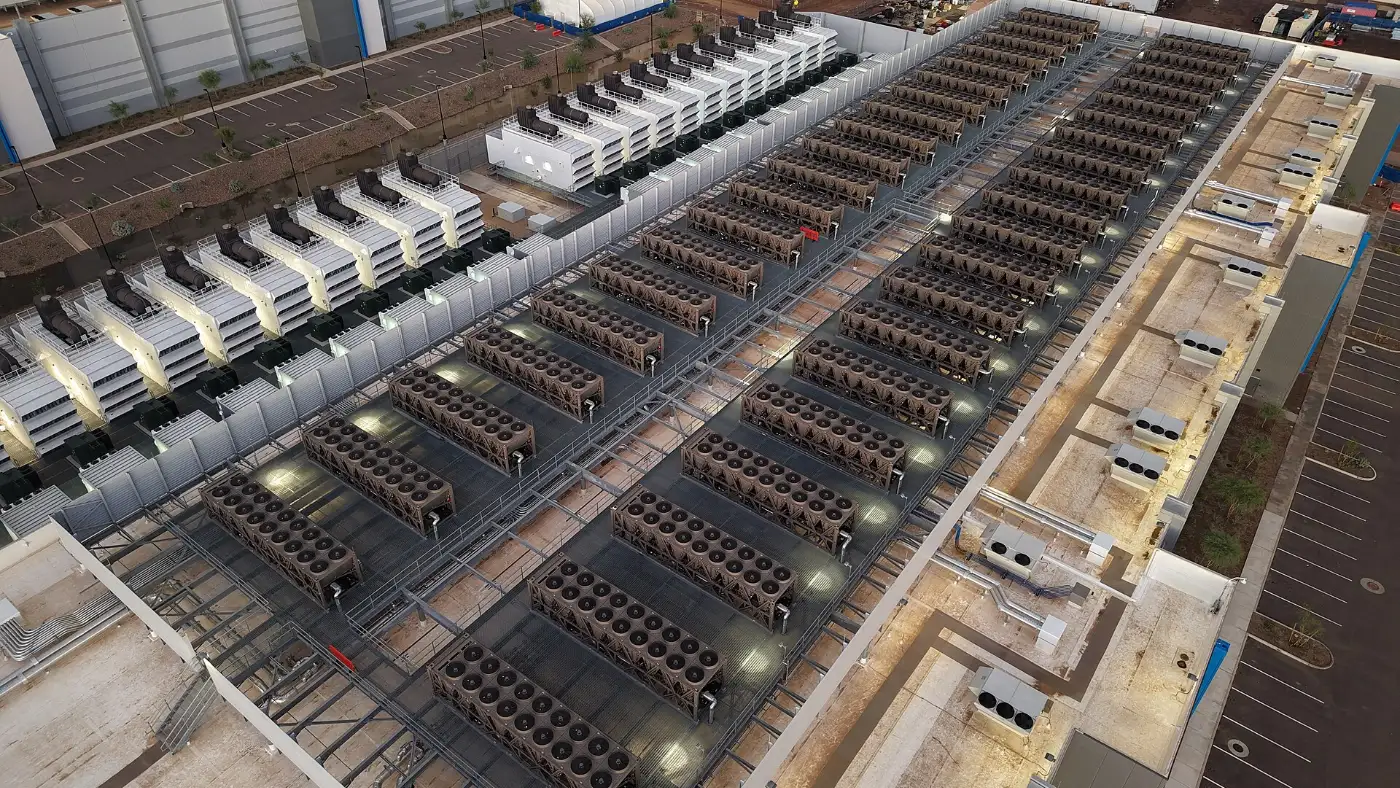 Infrastructure56 stories · 30 daysLatest: FCC conditionally approves SpaceX plan for up to 1 million orbital AI data centre satellites
 Regulation36 stories · 30 daysLatest: UK FCA warns tech firms that AI agents offering financial services could face regulatory action
Next deskAI Governance and Regulation →Latest: FCC conditionally approves SpaceX plan for up to 1 million orbital AI data centre satellites
More Coverage
- Cybersecurity and AI Threats
- AI in Financial Services
- AI in Insurance and Reinsurance
- Bermuda AI News
- AI Safety and Incidents
- Data Centres and Compute
- Semiconductors and Chips
- AI Investment and Markets
- Privacy and Data Protection
- Enterprise AI and Agents
- AI, Work and Skills
- Government and National Security
- AI, Energy and Climate
- AI in Healthcare and Life Sciences
Laurenceo Intelligence is the daily AI intelligence briefing published in Bermuda by Laurenceo and edited by Jorai Laurenceo. Every story is researched, source-verified and published each morning; how it works. General information only, not legal, regulatory or financial advice.