Semiconductors and Chips
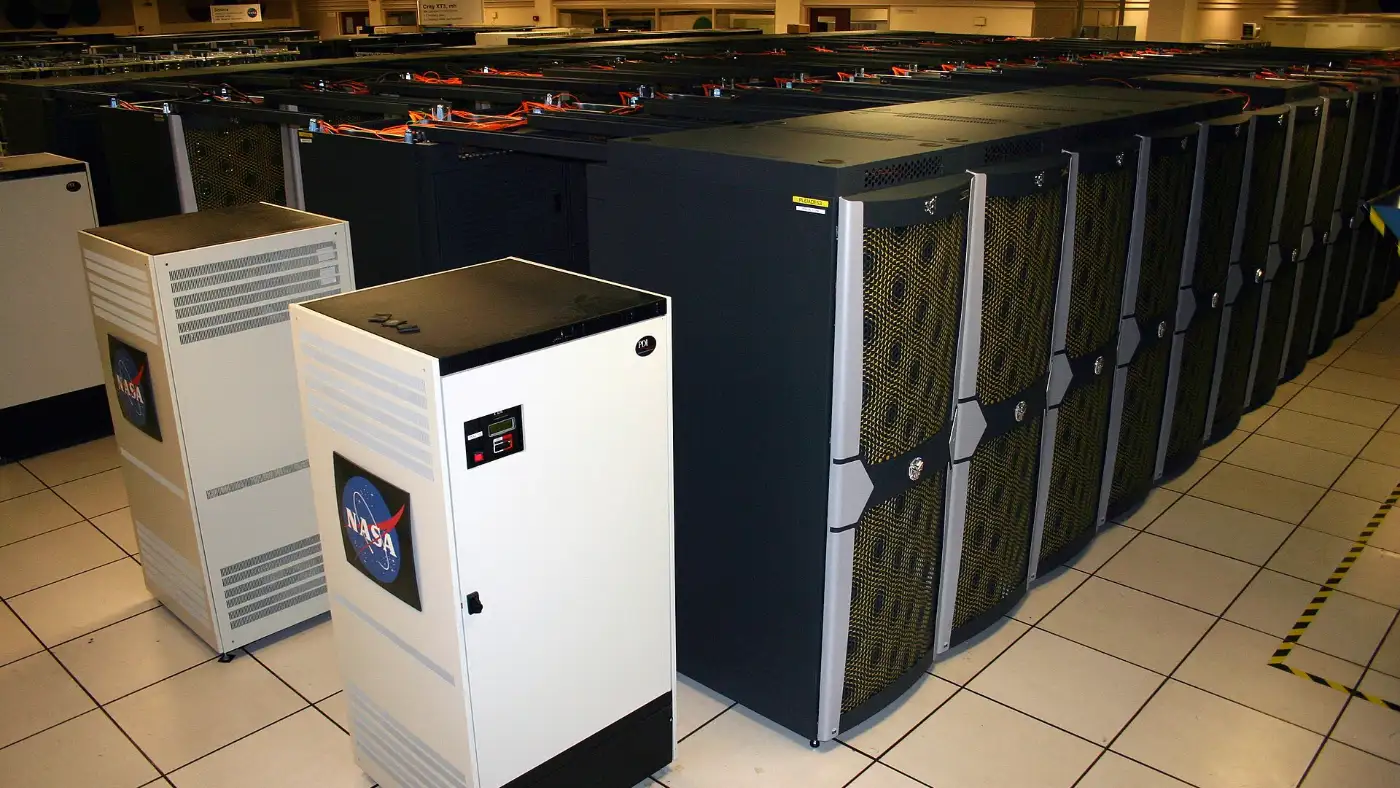
Laurenceo Intelligence covers the chips that set the pace of AI: accelerators, foundries, supply chains, export controls and the companies that dominate them. Semiconductor developments shape capability, cost and geopolitics at once.
- 41 developments
- 11 organisations
- 11 live forecasts
- Updated 27 November 2026
- Tracked since 30 September 2026
Washington now sets chip supply and credit terms, not just export licences
Nvidia's governance problems and the spread of compute export rules into lending now define this desk 113. Chip policy is reaching finance and data-centre tenants as well as shipments 23.
The Picture Now
Export controls on advanced chips now reach well beyond shipments. Commerce requires licences for data centres anywhere that serve China-headquartered companies above a set computing threshold 13, and Fitch expects Asia-Pacific data-centre investment to slow and become more selective 2. Lenders have already paused billions of dollars in loans tied to ByteDance, Alibaba and Tencent 3.
The dominant supplier carries the sharpest version of this risk. S&P has placed Nvidia's AA rating on CreditWatch negative over governance weaknesses exposed by the Huang episode 1, while Reuters reports an SEC probe into its accounting practices 8. Moody's moved its outlook to stable from positive, noting that governance and regulatory risks persisted after Huang's reinstatement 15.
What Changed Recently
Nvidia's leadership changed twice in a matter of days. Huang resigned, Colette Kress became interim CEO during a national security probe 16, and the board then reinstated Huang after input from senior US government levels 5. Treasury Secretary Scott Bessent publicly backed Entity List action on Singapore-based Megaspeed, and Commerce has since added it and six other entities to the list 154. TSMC and Samsung halted some China chip shipments once the 19 November rules took effect, moving compliance onto foundries 9.
Congressional pressure is building in parallel. Committee papers show 879,868 Nvidia and AMD AI chips approved for Defense Department-designated Chinese military companies 10, and Senator Tom Cotton urged passage of the Chip Security Act while Senator Elizabeth Warren called the reinstatement reckless 6. Nvidia still posted Q3 revenue of $115.8bn and guided Q4 to $130.0bn, assuming no China data-centre compute revenue after it stopped shipping Hopper chips there 12. Anthropic closed its IPO at $83.00 a share, with a concurrent private placement to chip, memory and cloud suppliers including Nvidia, AMD, Broadcom and TSMC Partners 7.
What It Means
Export compliance is becoming a credit variable. Fitch's line between asset-owning data-centre operators and leveraged compute resellers is the one lenders will draw 2, and Bermuda-based re/insurers and asset managers holding this credit should check look-through exposure to Chinese hyperscaler tenants 3. Secondary liquidity for that paper has already weakened 3.
For buyers, the uncertainty concerns access and governance, not only demand. Nvidia's demand signal is strong, but the regulatory probe and the recent leadership period raise the bar for its next report 812. Buyers should lock in capacity early and map end-user documentation now, because reporting duties are moving down the channel 126. Microsoft's claim that its Maia 200 accelerator is in production offers a second silicon option, though its cost figures are its own 11.
What to Watch
- The 90-day window on S&P's CreditWatch, within which a one-notch cut to AA- is the most likely outcome 1.
- Whether the foundry halts under the 19 November rules widen to more Chinese customers or ease 9.
- The January change of committee leadership, when Senator Warren takes the Banking Committee that approves export control legislation 6.
Numbered links open the sourced story behind each point.
Lead Development
27 November 2026S&P puts Nvidia's AA rating on CreditWatch negative over governance after Huang exit and return
S&P Global Ratings placed Nvidia's AA credit rating on watch for a possible downgrade, saying the Jensen Huang episode exposed weak spots in how the company is run and overseen. S&P could cut the rating within 90 days if the problems remain, most likely by one notch to AA-. S&P cut its management and governance score to neutral from positive, while Moody's moved its outlook to stable from positive on 18 November. Moody's said Huang's reinstatement reduced near-term execution uncertainty but governance and regulatory risks persisted.
Why it matters. Credit markets are pricing board independence and succession at the dominant AI chip supplier as a financial risk, not a reputational one. Lenders, AI infrastructure sponsors and counterparties tied to Nvidia's balance sheet should watch the 90-day window and the divergence between S&P and Moody's, and test their own key-person and governance assumptions about concentrated suppliers.
This Week
- 27 November 2026Fitch says US chip curbs will slow and narrow Asia-Pacific data-centre investmentExport-control eligibility is becoming a credit variable that separates asset-owning data-centre operators from leveraged compute resellers. Regional operators, neoclouds and the banks financing them should map...
- 26 November 2026Lenders stall billions in Asia data centre loans tied to ByteDance, Alibaba and Tencent after US chip curbsExport controls now act through credit markets: AI infrastructure debt tied to Chinese tenants carries legal-risk pricing as well as supply risk, and secondary liquidity for that paper has weakened. Bank lenders...
- 25 November 2026Commerce adds Megaspeed and six other entities to Entity List over AI chip diversion riskExport controls on advanced computing are moving from policy statements to named counterparties in Southeast Asia, and data-centre operators, resellers and chip buyers in the region now face tighter counterparty...
- 24 November 2026Nvidia board reinstates Jensen Huang as CEO after input from senior US government levelsThe leadership gap at the dominant AI chip supplier is closed, but the reversal shows that Washington's views now shape who runs a critical technology company. Customers, cloud providers and investors planning around...
- 24 November 2026Cotton urges passage of Chip Security Act and Warren demands Nvidia export-compliance answersCriticism from both a Republican intelligence chair and an incoming Democratic banking chair makes chip-tracking and anti-diversion rules a realistic legislative track in 2027. Chipmakers, server vendors, distributors...
- 22 November 2026Anthropic closes IPO at $83.00 a share with full greenshoe; $119.5bn gross including private placementThe largest AI listing to date gives a frontier lab a public-market funding base and binds its capital structure to its chip, memory, cloud and manufacturing suppliers. Competing labs, suppliers and investors should...
- 22 November 2026SEC is probing Nvidia's accounting practices, Reuters reports, following Jensen Huang's departure as chief executiveAn accounting inquiry at the dominant AI chip supplier turns the revenue-quality question into a risk for every company whose AI plans depend on Nvidia's reported demand. Investors, auditors and customers with large...
- 20 November 2026TSMC and Samsung halt some China chip shipments as new US export rules take effectThe compliance burden has moved onto foundries and packaging houses, so supply chains reaching well beyond AI accelerators face interruption. Chip designers, device makers and any buyer sourcing advanced-node chips for...
- 20 November 2026House committee papers show US approved 879,868 Nvidia and AMD AI chips for Chinese military-linked firmsLicence-level disclosure at this scale will intensify congressional pressure on the Commerce approval process and adds uncertainty for chipmakers whose China revenue depends on case-by-case licences. Nvidia, AMD and...
Earlier Coverage
- 19 November 2026Microsoft AI unveils seven MAI models and says Maia 200 accelerator is now in productionMicrosoft is pairing in-house models with in-house silicon, which positions it to compete on price in coding and security workloads and to reduce reliance on outside model suppliers. Third-party model vendors and...
- 18 November 2026Nvidia posts $115.8bn quarter, guides $130bn, and says it has stopped shipping Hopper chips to ChinaThe largest AI infrastructure supplier is now planning growth without China, which means non-Chinese buyers compete for supply that is still expanding fast. Cloud providers, enterprises and sovereign buyers should lock...
- 17 November 2026US Commerce issues rule curbing China's remote access to advanced AI chips via overseas data centresCompute rental is now a regulated export channel, so cloud and data-centre operators anywhere in the world that serve China-headquartered customers carry licensing and customer-due-diligence obligations. Operators...
- 15 November 2026China warns US against new chip curbs as Speaker Johnson cites growing consensus on tighter controlsChip export policy is moving from executive discretion towards congressional mandate, and Beijing has now put a public marker down against it. Semiconductor suppliers, cloud and data centre operators and any business...
- 15 November 2026Bessent says publicly that Treasury and other agencies backed Entity List action on MegaspeedA cabinet member publicly pointing at Commerce over a named diversion case raises the likelihood of formal enforcement and of tougher customer-vetting expectations. AI chip suppliers, resellers and data centre...
- 13 November 2026Jensen Huang resigns from Nvidia; CFO Colette Kress named interim CEO as board probe continuesThe dominant AI accelerator supplier now has an interim chief executive during a national security inquiry, which puts governance and policy risk directly into the AI hardware supply chain. Hyperscalers, AI labs and...
- 13 November 2026Anthropic launches IPO roadshow at $70 to $78 a share, valuing it at up to $1.4tn fully dilutedThe first listing of a frontier AI lab will set the public-market benchmark for how model developers are valued, disclosed and held to account. Asset managers, insurers and corporate treasuries that gain exposure...
- 13 November 2026Wyden and Neal open probe into Commerce approval of Nvidia H200 sales to ChinaCongressional scrutiny of chip export licensing is now tied to questions about how enforcement was handled, raising the odds of tighter licensing terms and closer compliance review. Chip vendors, cloud providers and...
- 12 November 2026Axios: Trump again backs curbs on Nvidia chip diversion to China while Lutnick stalls at CommerceUS chip enforcement is a policy that is announced repeatedly but not implemented, and buyers cannot plan around it. Cloud providers, data centre operators and AI hardware buyers with China-linked customers or supply...
- 9 November 2026Nvidia opens probe into CEO Jensen Huang after he confirms relationship with woman accused of spying for ChinaGovernance risk now sits at the centre of the AI compute supply chain, and it lands on top of existing congressional pressure over China exposure. Hyperscalers, sovereign buyers and any enterprise with multi-year GPU...
- 7 November 2026TSMC reportedly drafts plans for 3D DRAM memory production at Nvidia's requestA TSMC move into memory would threaten the incumbent memory makers and extend one foundry's reach over the AI hardware stack, where memory supply is a binding constraint on data centre build-outs. Memory suppliers...
- 6 November 2026Chip and data centre stocks fall a second day as investors price in Democratic data centre curbsMarkets now price political limits on data centre build-out as a direct threat to AI infrastructure revenue, and the repricing hits the most capex-dependent names hardest. Chip suppliers, neocloud operators and their...
- 5 November 2026Nvidia reportedly tells cloud partners to sell at least 51% of services to non-Chinese customersExport-control enforcement is moving into commercial contract terms, and offshore cloud operators that rely on Chinese demand are the most exposed. Providers should test now whether they can build a majority...
- 4 November 2026AMD Q3 revenue rises 45% to $13.4bn as data centre sales nearly double on MI450 launchA second large accelerator supplier showing near-doubling data centre revenue weakens the case that AI infrastructure demand is peaking, and it gives enterprise buyers a more credible alternative source of GPU supply....
- 30 October 2026SK Hynix says memory demand will exceed supply until 2030Memory is becoming a binding constraint on compute build-out, and buyers should plan for higher and less predictable hardware costs through the decade. Data centre developers, cloud operators and enterprises with...
- 28 October 2026NVIDIA and Oracle expand Vera Rubin on OCI to multi-gigawatt scale; Vera Rubin NVL72 now availableGeneral availability of a new accelerator generation on a major public cloud, paired with a gigawatt-scale plan, signals where frontier compute and its power demands are heading. Enterprise buyers should expect...
- 23 October 2026Insurers increasingly cast as key capital source for AI data centres and chip plantsCarriers that both invest in AI infrastructure debt and underwrite the same assets accumulate correlated exposure on both sides of the balance sheet. A shock to AI infrastructure economics, whether from overbuild...
- 22 October 2026Nvidia unveils prefabricated DSX pods and waterless data centre specificationsIf the deployment claim holds in practice, construction stops being the main limit on AI capacity, and power, grid interconnection and permitting become the decisive constraints. Waterless designs could ease local...
- 15 October 2026ByteDance in advanced talks to buy custom MediaTek AI chips for its data centres, Bloomberg reportsA second hyperscale ASIC customer would make MediaTek a more established alternative supplier in custom AI silicon, a segment where few vendors compete. For technology strategists, the report adds to evidence that...
- 14 October 2026Microsoft unveils Maia 300 and plans to make in-house chips its primary inference systemIf Microsoft serves most of its own inference on its own silicon, its cost base and its negotiating position with GPU suppliers both shift, and some of that may flow into Azure and Copilot pricing. Enterprise buyers...
- 12 October 2026Nvidia defends Open Secure AI Alliance amid questions over member commitmentVoluntary security coalitions are part of how the open-model ecosystem is responding to agent-related incidents, but their value depends on sustained participation and shared output. Enterprises deploying open-weight...
- 10 October 2026AMD's Lisa Su says CPU demand exceeds supply and plans a substantial supply increase in 2027Supply constraints are no longer confined to AI accelerators; general-purpose server CPUs, which agentic and inference workloads also depend on, appear to be under pressure. Infrastructure buyers should lengthen...
- 9 October 2026Anthropic releases Claude Haiku 5.5, cutting small-model running costs by about 75% on averageAt this price point, the business case for automating high-volume back-office work such as triage, routing and document classification depends less on model cost and more on integration and oversight. Procurement teams...
- 9 October 2026GlobalFoundries signs $2bn, five-year deal to make CoWoS silicon interposers for TSMC in New YorkAdvanced packaging is one of the binding constraints on AI accelerator supply, and a US-based interposer source reduces concentration risk in that chain. The 2028 ramp means it does nothing for near-term compute...
- 6 October 2026Huawei and Qualcomm sign multi-year cross-licence covering 5G, AI, compute and networkingDespite export controls, Huawei now holds IP that a leading US chipmaker is willing to pay for, which undercuts the assumption that restrictions leave Chinese firms purely dependent on Western technology. The approval...
- 3 October 2026Synopsys signs multi-year, $1bn-plus silicon IP agreement with Amazon for custom AI chipsA commitment of this size indicates that custom silicon is a long-term pillar of hyperscaler strategy rather than a hedge against merchant GPU supply. The shift to royalties links design-tool revenue to the volume of...
- 2 October 2026Frontier AI firms sign voluntary White House accord on safeguardsVoluntary pledges give buyers no contractual or statutory recourse, so enterprises should not treat them as assurance and should secure equivalent commitments in their own vendor agreements. The accord runs alongside...
- 2 October 2026Synopsys and Amazon sign multi-year $1bn-plus silicon IP agreementRoyalties tie the vendor's revenue to the customer's production volume, which aligns Synopsys with the scale of hyperscaler in-house silicon but raises the long-term cost of successful chips. Other companies developing...
- 1 October 2026Trump and leading AI chiefs sign voluntary White House accord on frontier model safetyWith no legal force and no published detail, the accord's practical value depends on whether the promised internal reviews and external audits produce evidence that customers can inspect. Enterprise buyers and insurers...
- 1 October 2026AMD agrees to acquire Fei-Fei Li's World Labs in all-stock deal valued at about $8.2bnOwning a model lab gives AMD direct influence over the workloads its future silicon is designed for, a strategy aimed at matching the integrated hardware and software position of its main rival. For enterprises...
- 30 September 2026US AI executives sign voluntary 'White House Accord on Superintelligence' after Trump summitUS federal oversight of frontier AI will, for now, rest on voluntary commitments rather than statute, so enterprises cannot rely on federal rules to define their AI risk baseline. Organisations should build their own...
Forecasts
Open questions on the Laurenceo forecast board, with the current probability.
- Will NVIDIA report Data Center revenue of at least $100 billion for its fiscal Q3 2027 (quarter ending late October 2026)? (Resolved YES)
- Will the US federal government approve exports of Nvidia Blackwell-generation data center GPUs to China by 2027-06-30? (6% by 30 June 2027)
- Will NVIDIA report quarterly Data Center revenue of $150 billion or more by April 30, 2027? (7.2% by 30 April 2027)
- Will the US Commerce Department publish a rule or formal guidance in the Federal Register restricting Chinese entities' cloud or remote access to advanced US AI chips by 2027-06-30? (87% by 30 June 2027)
- Will Jensen Huang cease to be Nvidia's chief executive by 2027-06-30? (Resolved YES)
- Will the US Commerce Department publicly announce a formal enforcement action (Entity List addition, penalty or settlement) against a company for diverting Nvidia AI chips to China by 2027-03-31? (Resolved YES)
- Will Nvidia announce a permanent chief executive officer by 2027-06-30? (Resolved YES)
- Will NVIDIA report Q4 FY2027 revenue above $133.9 billion by 2027-03-15? (75% by 15 March 2027)
- Will the SEC announce an enforcement action (settled or litigated) against Nvidia relating to its accounting or financial reporting by 2028-06-30? (14% by 30 June 2028)
- Will Nvidia announce that Jensen Huang has ceased to be CEO by 2027-11-30? (11% by 30 November 2027)
- Will S&P Global Ratings lower Nvidia's long-term issuer credit rating below AA by 2027-02-28? (35% by 28 February 2027)
Organisations
- Nvidia (17)
- AMD (4)
- Anthropic (3)
- TSMC (3)
- White House (3)
- Amazon (2)
- ByteDance (2)
- Microsoft (2)
- Oracle (2)
- Synopsys (2)
- US Congress (2)
Key Terms
Every Desk
 Frontier AI24 stories · 30 daysLatest: Gottheimer and Moran introduce bill requiring reporting on automated AI research and development
 Defense40 stories · 30 daysLatest: Pentagon makes Air Force ACME the department-wide AI-aided classification system
 Geopolitics15 stories · 30 daysLatest: Commerce adds Megaspeed and six other entities to Entity List over AI chip diversion risk
 Financial Markets76 stories · 30 daysLatest: S&P puts Nvidia's AA rating on CreditWatch negative over governance after Huang exit and return
 Infrastructure56 stories · 30 daysLatest: FCC conditionally approves SpaceX plan for up to 1 million orbital AI data centre satellites
 Regulation36 stories · 30 daysLatest: UK FCA warns tech firms that AI agents offering financial services could face regulatory action
Next deskFrontier AI Models →Latest: Gottheimer and Moran introduce bill requiring reporting on automated AI research and development
More Coverage
- Cybersecurity and AI Threats
- AI in Financial Services
- AI in Insurance and Reinsurance
- Bermuda AI News
- AI Safety and Incidents
- Data Centres and Compute
- AI Investment and Markets
- Privacy and Data Protection
- Enterprise AI and Agents
- AI, Work and Skills
- Government and National Security
- AI, Energy and Climate
- AI in Healthcare and Life Sciences
Laurenceo Intelligence is the daily AI intelligence briefing published in Bermuda by Laurenceo and edited by Jorai Laurenceo. Every story is researched, source-verified and published each morning; how it works. General information only, not legal, regulatory or financial advice.