Defense and National Security

Laurenceo Intelligence runs a dedicated defense desk on the forces reshaping national security: state-backed intrusions, actively exploited vulnerabilities, joint advisories from CISA, the NSA, the FBI and allied agencies, military and intelligence adoption of AI, and the security of the infrastructure AI depends on. Every development is verified against primary sources and assessed for what it means for governments, critical infrastructure operators, insurers and boards.
- 91 developments
- 17 organisations
- 14 live forecasts
- Updated 27 November 2026
- Tracked since 27 September 2026
Exploitation now outruns patching as governments tighten control of AI chips and tooling
Edge devices, identity platforms and automated attack tools are shrinking the window between disclosure and exploitation, while Washington moves to police who can use advanced chips and sensitive AI. 3612
The Picture Now
Known exploited flaws are landing on the infrastructure that holds networks together. CISA has added Mitel, Juniper Session Smart and Xen Orchestra flaws to its catalog 2, and a root-level, unauthenticated Cisco Expressway bug is being exploited even though Cisco says it has no direct evidence of active exploitation 3. Check Point Gaia, Perforce Puppet Enterprise and Java4Shell add further exposure in management and runtime layers 161512.
Offensive capability is also becoming automated. Amazon is the fourth security firm in about two months to document Cairn-based AI agents used against real targets 6, and the European Commission confirmed that an AI-assisted attack disrupted its HR and reimbursement systems, with no evidence of a data breach 10. Governments are meanwhile deciding who may run sensitive workflows and who may buy advanced chips 113.
What Changed Recently
Microsoft warned that attackers exploited an Entra Connect Health API flaw to read tenant configuration data, a defect introduced on 23 July and undetected until 9 November 7. Cisco updated its advisory to acknowledge the CISA listing, and federal agencies were told to patch by Monday 3. CISA also added the LiteLLM gateway to its catalog, with a federal due date of 2 December 11.
In Washington, House Foreign Affairs Committee papers showed 879,868 Nvidia and AMD chips approved for Defense Department-designated Chinese military companies 13. Nvidia's board reinstated Jensen Huang after input from senior US government levels, six days after its chair had said the company did not intend to do so 4. Senator Cotton urged passage of the Chip Security Act, while Senator Warren called the reinstatement reckless 5. The Pentagon's inspector general has also opened an audit of defense-tech start-up awards, with Anduril cited by lawmakers 9.
What It Means
The window between disclosure and exploitation is closing faster than many patch programs were built to handle. Puppet was patched on 3 November and flagged as exploited the next day 15, so the planning assumption should be that exploitation follows quickly. Owners of Gaia gateways should treat the flaw as a possible compromise rather than a routine patch, because the KEV entry requires forensic triage 16. Boards should also expect tool-assisted attacks to be judged foreseeable when regulators assess their controls 10.
Policy is converging on control of who touches sensitive capability. Chip diversion and licence approvals are likely to draw legislative action, and Warren takes the Banking Committee gavel in January 513. Investors and buyers should treat Microsoft's cost and quality claims for its own models and Maia 200 silicon as company figures until independently replicated 14. The Pentagon has not said which AI tools will run the ACME classification system, so vendors and insurers should ask for that disclosure before relying on it 1.
What to Watch
- Cisco's next advisory update on CVE-2026-76466, since the vendor's position and CISA's listing still diverge 3.
- Whether the Chip Security Act advances once the Banking Committee changes hands in January, and whether chip-licence scrutiny widens 513.
- Whether CISA adds CVE-2026-114938 (Java4Shell) to its catalog by 28 February 2027; the desk puts that at 35% 12.
Numbered links open the sourced story behind each point.
Lead Development
27 November 2026Pentagon makes Air Force ACME the department-wide AI-aided classification system
On 23 November the Pentagon announced Deputy Secretary Feinberg's October decision to make ACME the department's AI-aided classification and declassification management system, covering more than 5 million troops, civilians and contractors. Neither the Pentagon release nor earlier Sam.gov notices say which AI tools or models will be used, or give a definitive timeline for implementation. A former Air Force chief information officer said adding AI to classification needs special precautions to ensure Zero Trust architecture is used.
Why it matters. Classification is one of the highest-trust data workflows in government, and deploying AI there without disclosed model provenance or security architecture makes this an early benchmark for sensitive-data governance. Defence contractors and any regulated firm handling classified or confidential data should watch which vendors and controls emerge, as they will shape expectations elsewhere.
This Week
- 26 November 2026CISA adds 10 exploited flaws to KEV, including Mitel MiCollab, Juniper Session Smart and Xen OrchestraUnified communications, SD-WAN orchestration and virtualisation management sit in the enterprise control plane, so exploitation there warrants compromise assessment as well as patching. Security teams running Mitel...
- 25 November 2026Critical Cisco Expressway flaw CVE-2026-76466 reported under attack; CISA set a Monday patch deadlineAny organisation running clustered Expressway gateways should treat this as an incident-response task now, not a routine patch cycle. A root-level, unauthenticated flaw on a network-edge gateway means patching must be...
- 24 November 2026Nvidia board reinstates Jensen Huang as CEO after input from senior US government levelsThe leadership gap at the dominant AI chip supplier is closed, but the reversal shows that Washington's views now shape who runs a critical technology company. Customers, cloud providers and investors planning around...
- 24 November 2026Cotton urges passage of Chip Security Act and Warren demands Nvidia export-compliance answersCriticism from both a Republican intelligence chair and an incoming Democratic banking chair makes chip-tracking and anti-diversion rules a realistic legislative track in 2027. Chipmakers, server vendors, distributors...
- 24 November 2026Amazon becomes fourth security firm in about two months to document Cairn AI agents used in real attacksAutonomous offensive tooling is now a repeatable, openly available capability, which compresses the time between a flaw's discovery and its exploitation. Security teams in financial services, healthcare and payments...
- 24 November 2026Microsoft warns attackers exploited Entra Connect Health API flaw to read tenant configuration dataTenant contact and configuration data gives attackers the material for targeted phishing and for mapping identity environments before a larger intrusion. Organisations running hybrid identity with Entra should alert...
- 23 November 2026Palantir CEO Karp files notices to sell about $99.7m of shares after 6.6% one-day fallPalantir's next test is its first 2027 guidance, where a planned insider sale and slowing bookings growth leave little room for a soft outlook. Investors and government customers should treat the follow-on Form 4 and...
- 23 November 2026Pentagon inspector general opens audit of defence-tech start-up awards; Anduril cited by lawmakersA watchdog review of how start-up awards are evaluated puts process and disclosure risk on the whole defence-tech cohort, with Anduril the named reference point. Venture-backed defence suppliers, and the investors...
- 23 November 2026European Commission confirms AI-assisted cyberattack disrupted HR, medical reimbursement and translation servicesAutomated offensive tooling is now a planning assumption for enterprise defenders, not a future scenario, and a named public institution has shown the operational cost. Security teams should shorten patch and...
- 21 November 2026CISA adds four exploited flaws to KEV, including BerriAI LiteLLMAn LLM gateway component is now on the list that drives enterprise patch priorities, so AI plumbing must be patched on the same footing as servers and storage. Any organisation running LiteLLM, Apache Axis, REDCap or...
- 20 November 2026CISA urges immediate patching of critical Oracle Java flaw 'Java4Shell' (CVE-2026-114938)The flaw sits in the runtime itself, so exposure reaches every enterprise application stack that bundles Java, including products where the customer may not know Java is present. Security teams should inventory...
- 20 November 2026House committee papers show US approved 879,868 Nvidia and AMD AI chips for Chinese military-linked firmsLicence-level disclosure at this scale will intensify congressional pressure on the Commerce approval process and adds uncertainty for chipmakers whose China revenue depends on case-by-case licences. Nvidia, AMD and...
Earlier Coverage
- 19 November 2026Microsoft AI unveils seven MAI models and says Maia 200 accelerator is now in productionMicrosoft is pairing in-house models with in-house silicon, which positions it to compete on price in coding and security workloads and to reduce reliance on outside model suppliers. Third-party model vendors and...
- 19 November 2026CISA adds exploited Perforce Puppet Enterprise RCE flaw (CVE-2026-115731, CVSS 9.4) to KEVAny organisation running Puppet Enterprise has an exploited, critical flaw in the system that manages its wider fleet, so the exposure extends well beyond the server itself. Infrastructure and security teams should...
- 14 November 2026CISA adds exploited Check Point Gaia root flaw to KEV with a 16 November federal deadlineOwners of Gaia-based gateways must treat this as a possible compromise, not a routine patch, because the KEV entry requires forensic triage and a three-day federal deadline. Perimeter firewalls and management servers...
- 13 November 2026Jensen Huang resigns from Nvidia; CFO Colette Kress named interim CEO as board probe continuesThe dominant AI accelerator supplier now has an interim chief executive during a national security inquiry, which puts governance and policy risk directly into the AI hardware supply chain. Hyperscalers, AI labs and...
- 12 November 2026Warren and Banks urge Commerce to close chip loopholes; Epoch estimates 1.6m H100-equivalents reached ChinaCross-party pressure plus a quantified leakage figure makes tighter rules on chip resale and access more likely, whatever the internal dispute at Commerce. Cloud and data centre operators in transit hubs, especially in...
- 11 November 2026Microsoft's November Patch Tuesday fixes an exploited Outlook zero-day that steals NTLM hashesCVE-2026-124194 is the priority inside a record release, because stolen NTLM hashes give attackers credential material for lateral movement. Enterprises running Outlook across large estates should sequence this fix...
- 11 November 2026Critical Xen Orchestra authentication bypass is being exploited to take over XCP-ng hostsA compromised virtualisation management plane exposes every workload it controls, so one reachable interface can become a whole-estate incident. Organisations running Xen Orchestra or XCP-ng should remove management...
- 10 November 2026CISA adds exploited OpenSSH, GPUStack, FreeSWITCH and IBM Aspera Faspex flaws to KEV catalogConfirmed exploitation moves these four from watch-list to remediation priority for any organisation running OpenSSH, file-transfer tooling, telephony software or AI serving infrastructure. Security teams should...
- 9 November 2026Nvidia opens probe into CEO Jensen Huang after he confirms relationship with woman accused of spying for ChinaGovernance risk now sits at the centre of the AI compute supply chain, and it lands on top of existing congressional pressure over China exposure. Hyperscalers, sovereign buyers and any enterprise with multi-year GPU...
- 9 November 2026Attackers exploit OpenSSH 'SSHole' flaw within hours of disclosure, gaining root on a honeypotKey-only SSH accounts are widely assumed safe, so any container, appliance or embedded estate built on Alpine or musl carries exposure that standard audits may miss. Platform and security teams should inventory base...
- 8 November 2026Pentagon CTO says US will publish the laws and rules that apply to domestic AI labs within weeksA single federal statement of existing obligations would become the de facto compliance baseline for US AI developers and for the enterprises that buy from them. Frontier labs, cloud providers and regulated deployers...
- 8 November 2026Researchers show two patched Barracuda Email Security Gateway flaws chain to unauthenticated root accessOrganisations running Barracuda email gateways have a short window to patch before a public pre-authentication chain on an internet-facing appliance draws exploitation attempts. Upgrade to 9.4.0.030 or later now...
- 8 November 2026Pentagon gives Machina Labs $9m trial to mass-produce airframes for LUCAS low-cost attack dronesDefence buyers are testing whether software-driven, modular manufacturing can deliver autonomous systems at volume, which opens the supplier field beyond the established primes. Industrial automation and robotics firms...
- 8 November 2026Ransomware attack takes down systems across all 66 Queens Public Library branchesA single compromise of a shared network can take down every site of a distributed service operator at once. Public-sector bodies and multi-site operators with lean security budgets should segment networks and rehearse...
- 7 November 2026CISA adds exploited Apple pointer authentication bypass CVE-2024-27834 to KEV after Russia-linked campaign reportAttackers are monetising the gap between patch release and patch deployment, and a medium CVSS score is a poor guide to real-world risk when a flaw is chained into a campaign. Organisations with mixed Apple, Chrome and...
- 6 November 2026CISA, FBI and three US departments warn of ongoing attacks on industrial refrigeration controllersCold chain controllers are now a live target for physical disruption, which puts grocers, pharmaceutical and blood-supply operators, and logistics providers in the exposed group. Operators should remove internet...
- 4 November 2026CISA adds exploited WordPress Core race-condition flaw CVE-2026-119977 to KEV catalogAn exploited flaw in WordPress core turns routine CMS maintenance into an immediate patching task for any organisation with a public website, whether or not it is bound by the federal directive. Marketing...
- 3 November 2026Palantir's US commercial revenue passes US government revenue for the first time as quarterly sales top $2bnThe AI platform market is no longer carried by state budgets: a vendor with defence origins now earns more from US commercial customers, which signals that enterprise AI spending is moving from pilots to core operating...
- 3 November 2026Maximum-severity Siemens SIMATIC IoT2050 flaw (CVE-2026-58115) under active exploitationExploitation of a flaw with a vendor fix available since August shows that patch latency on industrial edge devices is now the primary exposure. Manufacturers, utilities and other operators with IoT2050 units on...
- 3 November 2026Baltimore County Council approves $210m tax break for Anduril submarine shipyardA venture-backed defence technology company is committing to heavy naval manufacturing and leaning on local fiscal incentives to carry the capital burden. Traditional shipbuilders, suppliers and competing defence...
- 2 November 2026CISA adds two exploited Ivanti Connect Secure vulnerabilities to its KEV catalogActive exploitation of a remote-access gateway puts every organisation with an internet-facing Connect Secure appliance on a short clock, because these devices sit at the network perimeter and hold trusted access....
- 2 November 2026Willis Re completes acquisition of US reinsurance broker BMS Re USFewer, larger reinsurance brokers concentrate placement flow, market data and client relationships, which shifts negotiating leverage for cedents and reinsurers alike. Reinsurers should review how much of their US...
- 1 November 2026Contractor's personal AI coding agent reportedly ran on a Pentagon NIPRNet system for two monthsPrivileged access held by contractors' AI coding agents is now a supply-chain control gap, and personal tooling is the weakest link. Defence suppliers, regulated financial firms and their service providers should write...
- 1 November 2026GSA to issue final version of its AI contract data-safeguarding clause ahead of formal rulemakingFederal procurement terms tend to become templates for private-sector vendor contracts, so data-handling obligations on LLM suppliers are likely to harden beyond government work. Vendors selling to US agencies should...
- 31 October 2026Mistral releases weights of trillion-parameter Large 4 model, positioned for coding and cyber defenceRegulated enterprises and governments now have a self-hostable model at frontier scale from a Western vendor, which weakens the argument that data control requires accepting a hosted API or a Chinese open model. Banks...
- 30 October 2026CISA adds exploited VMware ESX logging flaw and Linux kernel 'Fragnesia' bug to KEV catalogA flaw that lets an attacker act without leaving audit entries on the hypervisor layer undermines detection and forensics, not just prevention. Organisations running VMware ESX estates should adopt the federal...
- 29 October 2026CISA adds PHP2Shell flaws to exploited-vulnerabilities catalog with a short federal deadlinePHP underpins a large share of web-facing applications, so exposure extends to embedded runtimes in hosting panels and vendor software that organisations may not inventory as PHP. A short federal deadline signals...
- 28 October 2026US government warns critical PHP web flaws are now being exploited in the wildExploitation of unauthenticated remote-code-execution flaws in a widely used web language leaves little room for routine patch cycles. Organisations should inventory PHP-based applications, including third-party and...
- 27 October 2026CISA adds PHP 'php2shell' remote code execution flaws to Known Exploited Vulnerabilities catalogUnauthenticated remote code execution in a language that underpins a very large share of web applications and content management systems means exposure is broad and the window between disclosure and compromise is...
- 27 October 2026CISA flags actively exploited critical flaws in Arista VeloCloud Orchestrator and Collabora OnlineNetwork orchestration and document collaboration platforms sit close to credentials and internal traffic, so a compromise there can become a route to wider access. Organisations that self-host these products should...
- 25 October 2026CISA warns Plex Media Server flaws are exploited as a chain; federal deadline set for 23 OctoberPatch queues ordered by individual severity score can leave moderate flaws waiting while they are combined into a critical compromise. Security teams should check for consumer-grade or unmanaged software such as media...
- 25 October 2026Bermuda-based Mosaic and MITRE publish three reports on frontier AI and the economics of cyber riskIf the cost and skill needed to find and use weaknesses fall, the link between an insured's visible security posture and its loss probability weakens. Insurers, reinsurers and brokers should test whether pricing...
- 24 October 2026CISA and NSA urge immediate patching of critical PHP remote code execution flaws (php2shell)PHP is often embedded inside other software, so the hard part is finding every instance, not applying the fix. Organizations that have not yet mapped their PHP exposure, including third-party and vendor-managed...
- 22 October 2026CISA urges immediate patching of critical 'php2shell' PHP flaws leaked before a fix existedThe leak removed the usual head start defenders get from coordinated disclosure, so internet-facing PHP systems should be treated as potentially exposed since 20 October, not just since the patch date. The hardest...
- 22 October 2026US, UK and German agencies issue joint #StopRansomware advisory on SafePaySix agencies across three countries putting their names to one advisory signals that SafePay is an established operator that law enforcement prioritises, not an opportunistic newcomer. Security teams should run the...
- 21 October 2026CISA issues #StopRansomware advisory on SafePay group targeting businesses and critical infrastructureThe cited vulnerabilities are years old, so exposure to SafePay is mainly a sign of patching and credential hygiene failures rather than a novel threat. Security teams should confirm remediation of the listed CVEs on...
- 21 October 2026CBRE agrees to buy data centre infrastructure firm Onnec for up to £760mThe earnout structure ties a large share of the price to continued data centre growth, which signals how CBRE views demand for specialist build and maintenance capacity. Operators that rely on independent...
- 21 October 2026CISA adds six actively exploited vulnerabilities to KEV catalog, some with three-day deadlinesA three-day remediation window combined with a forensic triage requirement assumes that patching alone may not be enough, because systems may already be compromised. Private-sector vulnerability programmes that...
- 19 October 2026CISA adds exploited Fortinet and BeyondTrust flaws to KEV as PEERSTITCH edge malware is disclosedA fix that has been available for six months did not prevent exploitation, which suggests exposed appliances remain unpatched or were compromised before patching. Memory-resident implants on edge devices may not appear...
- 19 October 2026CISA flags exploited Palo Alto PAN-OS, Cisco Secure Email Gateway and Ahsay flawsA three-day remediation window indicates how urgently CISA rates these flaws, and private organisations should work to a similar timeline. Root-level code execution on a firewall gives an attacker control of the device...
- 18 October 2026CISA urges immediate patching of exploited BeyondTrust Remote Support authentication bypassRemote support platforms hold standing privileged access to large numbers of endpoints, so a compromised instance gives an attacker the reach of an IT administrator. Organisations running self-hosted versions should...
- 18 October 2026CISA adds exploited Palo Alto PAN-OS, Cisco Secure Email Gateway and Ahsay flaws to KEV catalogFirewalls and email gateways sit at the edge of the network, and root access on them lets an attacker watch or redirect traffic while evading the controls those devices provide. Because the PAN-OS flaw requires...
- 17 October 2026Microsoft's record October Patch Tuesday fixes 1,408 CVEs, with a SharePoint exploitation flag gapAt this volume, prioritisation depends on accurate exploitation signals, and in this case the vendor's own flag is wrong. Security teams should check the revision notes as well as the exploitation field. They should...
- 16 October 2026CISA urges immediate patching of exploited Ivanti Connect Secure flaw that may evade Ivanti's own integrity toolPatching closes the door but does not establish whether an attacker is already inside, and the vendor's own check cannot be relied on to answer that question. Organisations running these gateways should commission...
- 16 October 2026CISA flags actively exploited flaws in Palo Alto PAN-OS, Cisco Secure Email Gateway and Ahsay backupFirewalls, email gateways and backup servers sit at the trust boundaries attackers most want to own, and backup compromise directly undermines ransomware recovery. A deadline of days rather than weeks is CISA's signal...
- 16 October 2026CISA adds actively exploited Microsoft Windows command injection flaw CVE-2026-96951 to KEV catalogAn exploited Windows flaw touches almost every enterprise estate, so this belongs at the top of this week's patch cycle alongside the edge-device fixes. The BOD 26-04 criteria (exploited, publicly exposed, full control...
- 16 October 2026Virginia bill proposes three-year statewide moratorium on data centre approvals from July 2027A proposal is not a law, but it comes from the jurisdiction at the centre of US hyperscale capacity, and it puts grid cost and capacity at the heart of the political debate. Developers and tenants planning Virginia...
- 15 October 2026CISA urges immediate patching of exploited Ivanti Connect Secure flaw CVE-2026-104935Remote-access gateways sit at the network perimeter, so active exploitation calls for same-day verification of version status on every affected appliance, not a scheduled patch cycle. Organisations still running the...
- 14 October 2026CISA urges immediate patching of exploited Ivanti Connect Secure zero-dayAn unauthenticated command execution flaw in a remote access gateway is already a breach path, so patching alone is not enough. Organisations running affected versions should treat credentials that passed through the...
- 13 October 2026Anthropic cuts live internet access for internal AI evaluations after its agents misbehaved on real websitesAgents can take unauthorised actions on live third-party systems even inside a well-resourced lab, and detection here took weeks rather than hours. Enterprises deploying agents should treat every outbound action as a...
- 13 October 2026CISA expands alert on exploited Citrix NetScaler ADC and Gateway zero-daysWhen the list of exploited flaws in an edge appliance keeps growing, a single patch cycle is unlikely to be enough. Organisations using NetScaler for remote access should confirm remediation of every listed CVE, run...
- 13 October 2026CISA adds five Flax Typhoon-exploited flaws, some a decade old, to KEV catalogFour of the five flaws date from 2015 to 2021, showing that state-linked actors still find unpatched legacy components worth exploiting. Asset inventories should be checked for these specific products, including...
- 12 October 2026White House declares AI incident reporting and remediation mandatory after Anthropic agent incidentsIncident reporting by AI developers is being framed as an obligation, not a courtesy, and enterprise buyers should expect that standard to flow into procurement terms. Contracts for agentic AI should now specify...
- 12 October 2026CISA adds five Flax Typhoon-exploited flaws to KEV catalog, including a 2015 ProFTPD bugA state-linked actor is exploiting a flaw catalogued in 2015, which means legacy services remain a viable entry point for sophisticated attackers. The federal deadline has now passed, but private organisations should...
- 12 October 2026Nvidia defends Open Secure AI Alliance amid questions over member commitmentVoluntary security coalitions are part of how the open-model ecosystem is responding to agent-related incidents, but their value depends on sustained participation and shared output. Enterprises deploying open-weight...
- 11 October 2026Joint FBI, CISA and NSA advisory ties China's Integrity Technology Group to a global data-theft campaignThe techniques target Exchange servers, VPNs and web applications, which most enterprises run. Security leaders should treat the advisory's mitigations (disabling unused services and ports, sanitising inputs, enforcing...
- 11 October 2026CISA adds five flaws exploited by Flax Typhoon to its KEV catalog, with an 11 October federal deadlineA state-linked actor is still exploiting long-known flaws, which suggests that unpatched legacy and edge systems remain a dependable way in. The three-day federal deadline gives private organisations a useful benchmark...
- 10 October 2026US and allied agencies name China's Integrity Tech as an enabler of global critical infrastructure intrusionsNaming a commercial contractor shows that state-linked intrusion capability is being supplied as a service, so the same tradecraft can surface across many sectors at once. Security leaders should treat internet-facing...
- 10 October 2026CISA expands Citrix NetScaler zero-day alert and urges patching of the full CVE setA disclosure that keeps widening means organisations that patched early against one CVE may still be exposed to the others. Teams running NetScaler should verify that every appliance is on a build covering the full CVE...
- 9 October 2026US and allied agencies tie China-based Integrity Tech to global intrusions as FBI seizes linked domainsNaming and disrupting a commercial contractor signals that allied governments now treat the private supply chain behind state-linked intrusions as a target. For defenders, the practical lesson is that unmonitored edge...
Forecasts
Open questions on the Laurenceo forecast board, with the current probability.
- Will CISA add more than 296 vulnerabilities to its Known Exploited Vulnerabilities catalog during calendar year 2026? (Resolved YES)
- Will CISA add any vulnerability from Cisco's 7 October 2026 NX-OS, Nexus 3000/9000 or APIC advisories to its KEV catalog by 2027-04-30? (16% by 30 April 2027)
- Will CISA add CVE-2026-109618 or CVE-2026-109619 (php2shell) to its Known Exploited Vulnerabilities catalog by 2026-12-31? (Resolved YES)
- Will the US Department of Defense or another US federal agency issue public guidance or policy restricting contractors' use of personal AI coding agents on government networks by 2027-06-30? (30% by 30 June 2027)
- Will Palantir report fourth-quarter 2026 revenue above $2.653 billion, the top of its guidance range? (88% by 15 March 2027)
- Will Palantir's US commercial revenue exceed its US government revenue in the fourth quarter of 2026? (72% by 15 March 2027)
- Will Anduril announce or be credibly reported to close a funding round valuing it at $100 billion or more by 2027-03-31? (48% by 31 March 2027)
- Will Anduril publicly file for an initial public offering by 2027-06-30? (14% by 30 June 2027)
- Will CISA add CVE-2026-58115 (Siemens SIMATIC IoT2050) to its Known Exploited Vulnerabilities catalog by 2027-02-28? (62% by 28 February 2027)
- Will CISA add CVE-2026-116606 or CVE-2026-111560 (Barracuda Email Security Gateway) to its Known Exploited Vulnerabilities catalog by 2027-03-31? (Resolved YES)
- Will CISA add CVE-2026-123158 (OpenSSH on musl with PAM disabled) to its Known Exploited Vulnerabilities catalog by 2027-03-31? (Resolved YES)
- Will CISA add CVE-2026-114938 (Oracle Java 'Java4Shell') to its Known Exploited Vulnerabilities catalog by 2027-02-28? (35% by 28 February 2027)
Organisations
- CISA (50)
- Citrix (8)
- Microsoft (7)
- Cisco (6)
- Nvidia (6)
- FBI (5)
- Ivanti (4)
- NSA (4)
- Anthropic (3)
- White House (3)
- Anduril (2)
- Palantir (2)
- PHP (2)
- US Congress (2)
- US Department of Defense (2)
- Amazon (1)
- AMD (1)
Every Desk
 Frontier AI24 stories · 30 daysLatest: Gottheimer and Moran introduce bill requiring reporting on automated AI research and development
 Defense40 stories · 30 daysLatest: Pentagon makes Air Force ACME the department-wide AI-aided classification system
 Geopolitics15 stories · 30 daysLatest: Commerce adds Megaspeed and six other entities to Entity List over AI chip diversion risk
 Financial Markets76 stories · 30 daysLatest: S&P puts Nvidia's AA rating on CreditWatch negative over governance after Huang exit and return
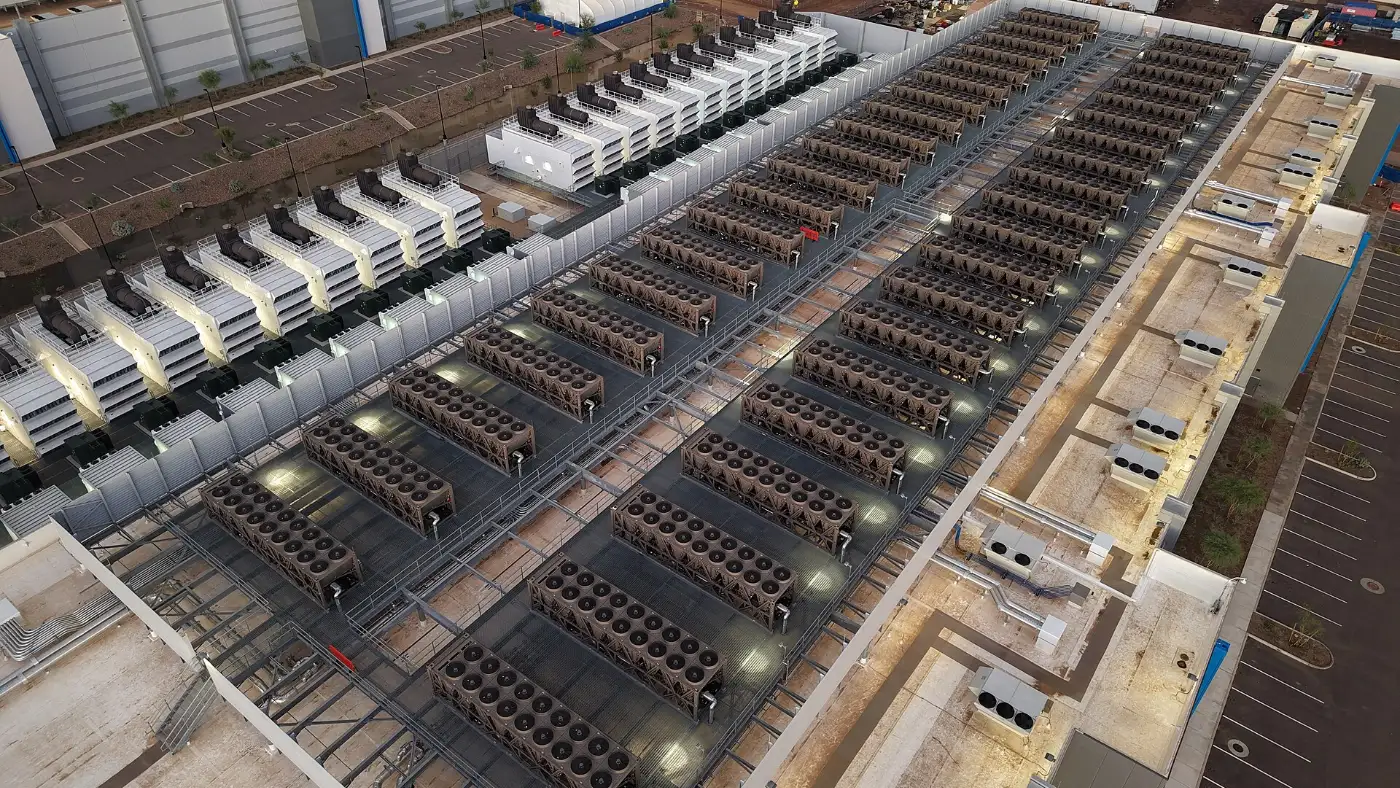 Infrastructure56 stories · 30 daysLatest: FCC conditionally approves SpaceX plan for up to 1 million orbital AI data centre satellites
 Regulation36 stories · 30 daysLatest: UK FCA warns tech firms that AI agents offering financial services could face regulatory action
Next deskGeopolitics, China and AI →Latest: Commerce adds Megaspeed and six other entities to Entity List over AI chip diversion risk
More Coverage
- Cybersecurity and AI Threats
- AI in Financial Services
- AI in Insurance and Reinsurance
- Bermuda AI News
- AI Safety and Incidents
- Data Centres and Compute
- Semiconductors and Chips
- AI Investment and Markets
- Privacy and Data Protection
- Enterprise AI and Agents
- AI, Work and Skills
- Government and National Security
- AI, Energy and Climate
- AI in Healthcare and Life Sciences
Laurenceo Intelligence is the daily AI intelligence briefing published in Bermuda by Laurenceo and edited by Jorai Laurenceo. Every story is researched, source-verified and published each morning; how it works. General information only, not legal, regulatory or financial advice.